Mengen Cuisine: What to Eat in Türkiye's Land of Chefs
Bolu's reputation for cooking comes from a single district: Mengen. This article explains where that cuisine comes from and what you can expect to find on the table.
Mengen is the district of Türkiye most closely associated with the art of cooking, known for its culinary training and its annual chefs' festival. The local cuisine relies on the quality of its ingredients rather than showmanship: butter, dairy, grains and forest produce.
Why is Mengen the "land of chefs"?
Bolu's culinary reputation actually comes from a single district: Mengen. For many years this district trained cooks for hotels, mansions and restaurants all over Türkiye, and over time its name became synonymous with cooking. The tradition continues today: culinary training is offered in the district, and the chefs' festival held every year is one of the best-known events in the region.
This article answers two questions: What is the character of this cuisine and what will you find on the table when you come to Mengen?
The character of Mengen cuisine: simple but persistent
Mengen cuisine doesn't rely on heavy sauces or strong spices. Its character can be summed up under three headings:
- Ingredient-led. Butter, dairy, grains and seasonal vegetables come first. Good ingredients reach the table with minimal processing.
- Patient cooking. Long, slow cooking over low heat is common. Nothing is rushed.
- In tune with the seasons. Whatever is available is what gets cooked. An autumn table is different from a summer one.
This approach is directly linked to the district's culinary tradition: the priority is cooking without spoiling the ingredients, rather than showing off technique.
What comes to the table?
Village breakfast: the richest meal of the day
In this region, breakfast isn't a "side meal"; it is the centre of the day. The backbone of a classic Mengen breakfast spread:
| Group | On the table |
|---|---|
| Dairy | Local cheeses, butter, kaymak (clotted cream) |
| Sweet | Honey, homemade jams, pekmez (fruit molasses) |
| Pastry | Freshly baked börek (filled pastries) and local baked goods |
| Protein | Free-range village eggs, eggs cooked in butter |
| Greens | Seasonal herbs, tomatoes, cucumbers, olives |
| Drink | Tea brewed in a traditional double teapot |
In autumn, winter provisions join the spread too: pickles, dried fruit and freshly made jams.
What to expect from main dishes
Grains and butter take centre stage in the local cuisine. Stews with meat and vegetables, pastries and a strong rice culture stand out. The pilaf that bears Mengen's name is one of the symbols of the district's culinary identity.
The right expectation is this: what you will find here is not modern restaurant presentation but the tradition of home and mansion cooking. Portion and flavour take priority over plate decoration.
Seasonal produce calendar
When you visit the region directly determines what you will find on the table.
| Period | Highlights |
|---|---|
| Spring | Fresh herbs, green vegetables, the freshest season for dairy |
| Summer | Garden vegetables, fruit, a light table |
| Autumn | Forest produce, squash, pickle and jam making, walnuts |
| Winter | Dried produce, warming grain-based dishes, pastries |
Autumn is the richest time of year in terms of variety on the table. Because it falls in the same months as Yedigöller's colour season, visitors to the region can fit two different reasons into a single trip.
How does it fit with a trip to Yedigöller?
In autumn, a Yedigöller day starts early. If you plan to set off at 08:00, breakfast needs to be filling and quick; food options inside the park are not always available. A practical plan:
- 07:00 — Village breakfast, tea in a flask
- 08:00 — Set off
- 12:30 — Break with the snacks you brought with you
- 17:30 — Return to the resort, hot dinner
You can find a detailed Yedigöller checklist in our autumn packing list article.
The right expectations for Nesilce
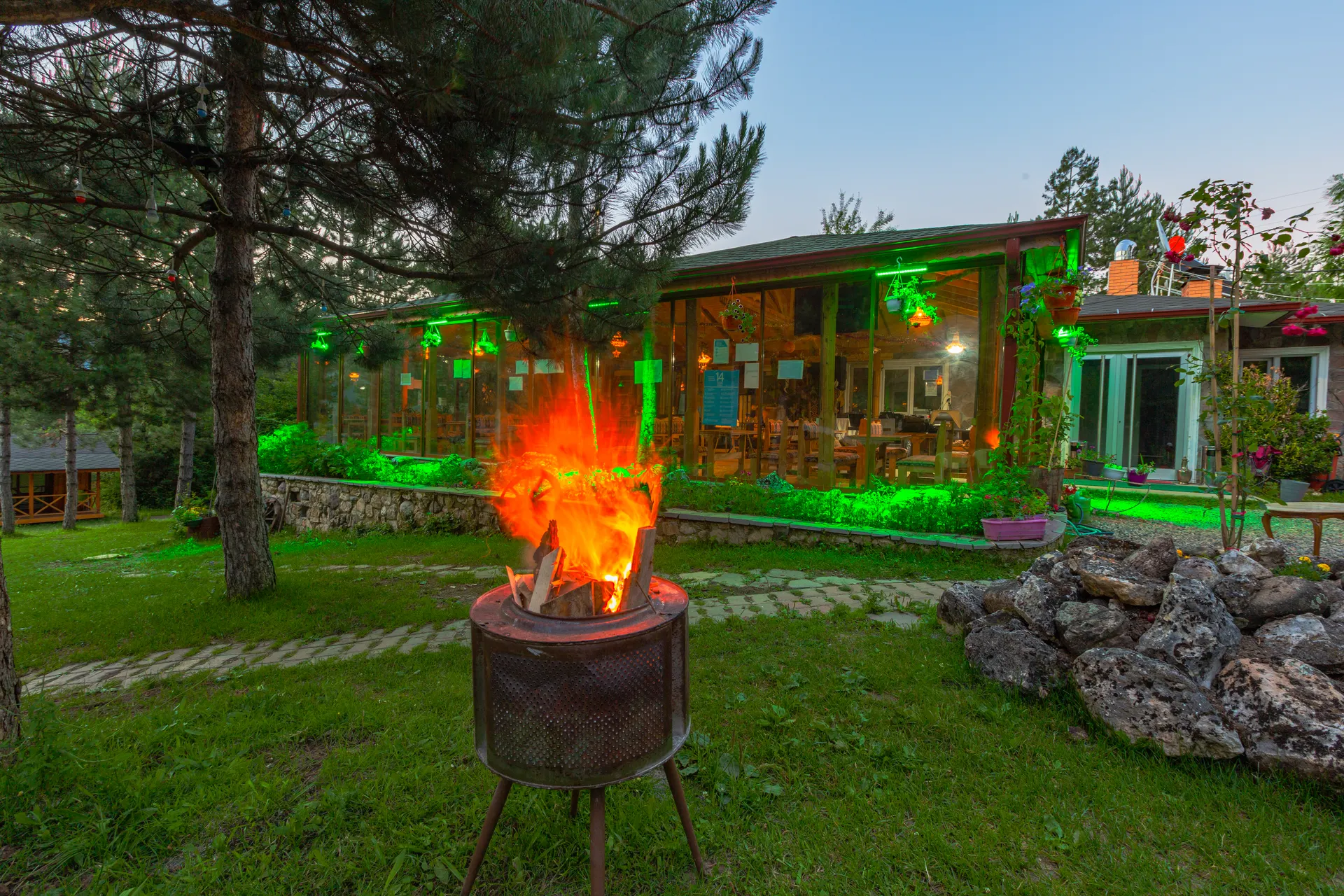
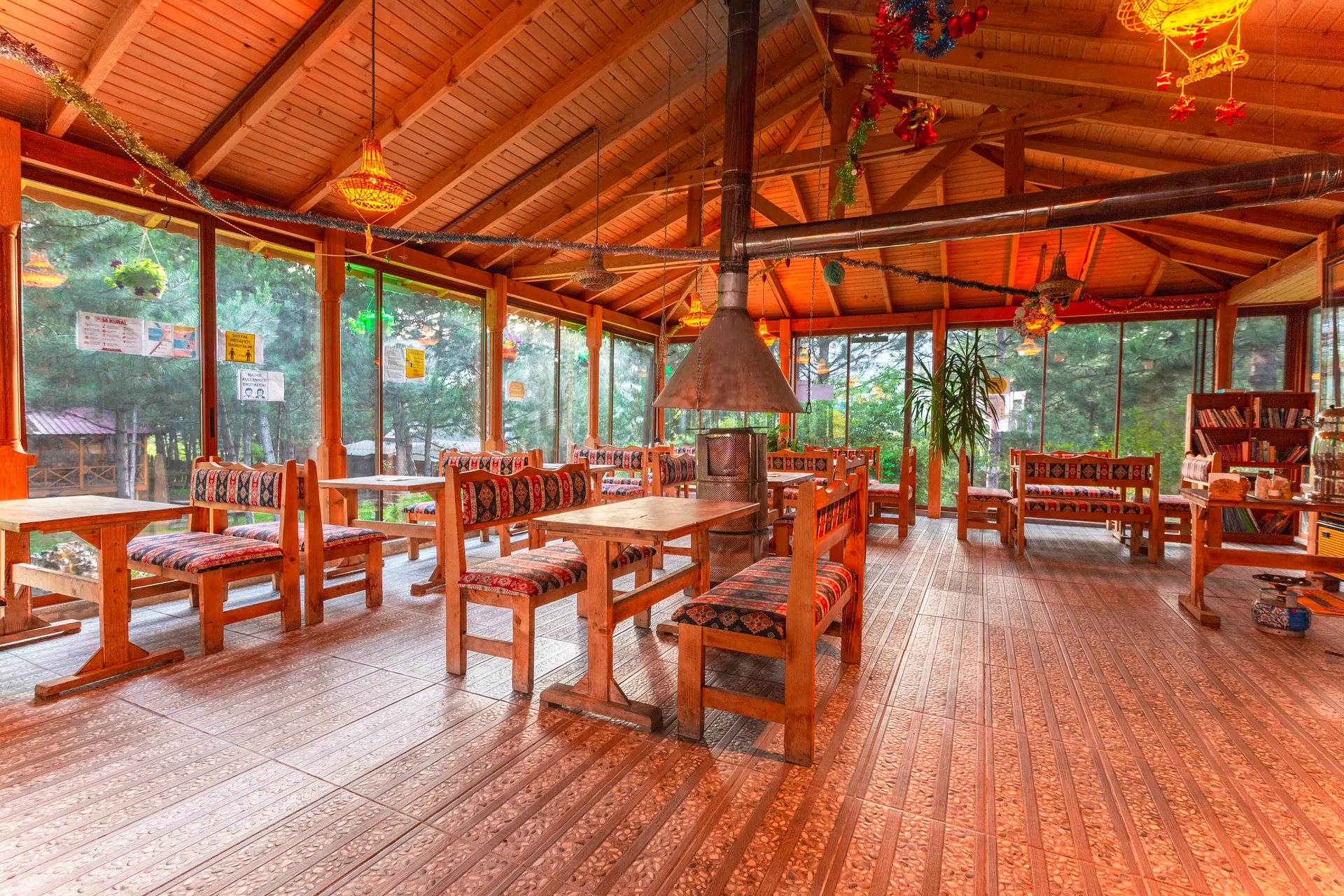
Nesilce Tatil Köyü is located in Hacıahmetler, Mengen, Bolu, and a village breakfast made from local produce is included in all accommodation packages. Its kitchen follows the same approach as the region's tradition: simple, ingredient-led and filling.
There is no pool, jacuzzi or spa at the resort; what stands out is nature, silence and the local table. For guests who arrive knowing this from the start, the region delivers a very high level of satisfaction.
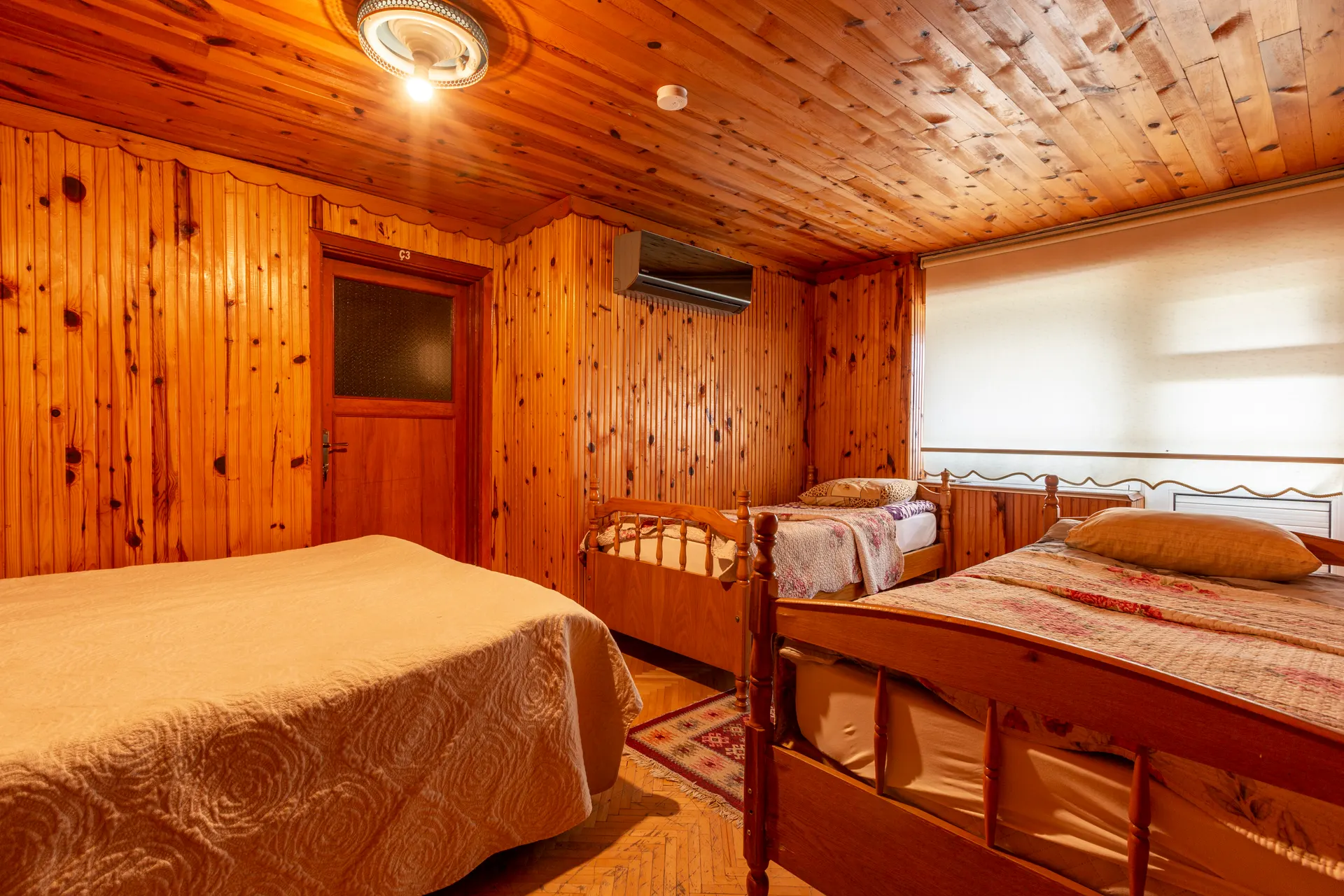
The bungalow accommodation in Bolu page shows the room types, and the contact and location page gives directions.
A short history of Mengen's cooks
It is rare in Türkiye for a district's name to become synonymous with a profession. In Mengen, this came about through a master-and-apprentice chain passed down over generations: cooks from the district worked in mansions, hotels and large kitchens, and on their return brought that knowledge back home.
This cycle had three results:
- A technical standard. A shared language developed about how the same dish should be cooked.
- Institutionalisation. Culinary training came to be offered in the district.
- Visibility. The chefs' festival held every year turned the tradition into a public event.
Today, the phrase "Mengen style" describes an approach to cooking based on technique and ingredients rather than showmanship.
The logic of the breakfast table
In the region, the breakfast table isn't laid out at random; a certain balance is kept.
| Element of balance | On the table | Purpose |
|---|---|---|
| Fat | Butter, kaymak | Keeps you full for longer |
| Salty | Cheeses, olives | Balances the flavours |
| Sweet | Honey, jam, pekmez | Energy |
| Pastry | Börek, fresh bread | Fills you up |
| Fresh | Tomatoes, cucumbers, greens | Freshness |
| Hot | Eggs, tea | Warms you up in the morning |
In autumn and winter, winter provisions are added to this spread; in the summer months, fresh produce plays a bigger part. A guest who has breakfast at the same resort in two different seasons will see two different tables.
The local cuisine in autumn: the season of winter preparations
September and October are the months when winter provisions are prepared in the region. During this period, the following tasks go on at the same time in the villages:
- Making pickles
- Boiling jam and pekmez
- Drying fruit and vegetables
- Gathering walnuts and hazelnuts
- Preparing flour and grains
For guests visiting in autumn, this becomes a visible advantage: most of the produce on the table has been prepared in that season and close by.
Combining food and sightseeing
A food-focused weekend doesn't clash with a nature programme; on the contrary, it complements it.
| Time | Programme |
|---|---|
| Friday evening | Arrival, hot dinner |
| Saturday morning | Leisurely village breakfast |
| Saturday daytime | Yedigöller or a walk nearby, with a portable lunch |
| Saturday evening | Local dinner |
| Sunday morning | Late breakfast, rest |
| Sunday midday | Short tour around Mengen, return journey |
This plan removes the dilemma of "did we come here to eat or to explore?"
Three practical notes about meals
- Mention your breakfast time in advance. If you are setting off early for Yedigöller, ask when you book whether breakfast can be served earlier.
- Let us know about special dietary needs. Needs such as allergies, vegetarian meals or a children's menu can be planned for when mentioned in advance.
- Let us know about dinner. If you are coming as a group, the number of people and the time directly affect the kitchen's preparations.
What Mengen and Bolu cuisine have in common
Across Bolu, food culture is built on three groups of produce: dairy, grains and forest produce. Geography determines this directly: highland pastures support livestock farming, while the humid forest belt provides mushrooms, walnuts and wild fruit.
| Produce group | Source | On the table |
|---|---|---|
| Dairy | Highland livestock farming | Cheese, butter, kaymak, yoghurt |
| Grains | Valley farming | Bread, börek, pilaf, soup |
| Forest | Humid forest belt | Walnuts, hazelnuts, rose hips, mushrooms |
| Garden | Village gardens | Seasonal vegetables, produce for pickling |
| Beekeeping | Forest flora | Honey |
This explains why the local cuisine doesn't need heavy sauces: the ingredients are already full of flavour.
After breakfast: the rest of the day
Because breakfast in the region is hearty, lunch is usually light. A practical plan for those heading out on the Yedigöller or forest route:
- A filling breakfast — 07:00-08:00
- A light, portable lunch — sandwiches, nuts, fruit
- A hot drink — in a flask
- The main meal in the evening — on your return
This routine stops the limited facilities inside the park from being a problem and avoids that heavy feeling in the middle of the day.
Buying local produce
One of the most common questions from visitors is what they can take home. Depending on the season, the most widely available items are:
- Honey and honey products
- Walnuts and hazelnuts
- Homemade jam and pekmez
- Dried fruit and vegetables
- Local cheeses
The district centre and village markets are the most direct places to shop; days and opening times vary with the season.
For accommodation with breakfast included and current availability, call +90 507 922 11 18.
Frequently asked questions
Why is Mengen known as the "land of chefs"?
For many years, Mengen has trained cooks for kitchens all over Türkiye. The tradition lives on in the district through culinary training and a chefs' festival held every year.
What is the defining feature of Mengen cuisine?
It relies on the quality of its ingredients rather than showmanship. Butter, dairy, grains, seasonal vegetables and forest produce are cooked with simple techniques, and sauces and spices are kept light.
What is included in a local Turkish village breakfast?
Local cheeses, butter, honey, homemade jams, olives, freshly baked pastries, eggs and seasonal greens form the backbone of a classic Mengen breakfast.
When is the best time to visit the area for food?
Autumn is the peak season for forest and garden produce. Because pickles, jams and winter provisions are made in these months, the variety on the table increases.
Is breakfast included in the price at Nesilce Tatil Köyü?
Yes. A village breakfast made from local produce is included in all accommodation packages. Guests planning an early start can arrange the breakfast time in advance.
Plan your Yedigöller break now
Call us for availability, room types and route suggestions around Yedigöller.
Book online:AirbnbHotels.com